Artificial Intelligence is entering a new phase of evolution, one defined not just by smarter algorithms, but by richer and more natural interaction with humans. This transformation is driven by multimodal AI, systems capable of understanding, processing, and generating information across multiple forms of input such as text, images, audio, video, and sensor data. In 2026, multimodal AI is widely recognized as one of the most significant breakthroughs in human machine interaction, reshaping how people communicate with technology across industries and everyday life.
Rather than relying on a single mode of communication, multimodal AI mirrors how humans naturally perceive the world. People do not think only in words or images, but through a combination of sight, sound, language, and context. Multimodal systems bring machines closer to this holistic understanding.
What Is Multimodal AI
Multimodal AI refers to artificial intelligence models and systems that can work with more than one type of data at the same time. Traditional AI systems were often limited to a single modality, such as text based chatbots or image recognition tools. Multimodal AI integrates multiple data streams into a unified understanding.
For example, a multimodal system can analyze a photograph, listen to a spoken question about the image, read supporting documents, and generate a coherent response that connects all these elements. This ability allows AI to move beyond isolated pattern recognition toward deeper contextual comprehension.
At the technical level, multimodal AI combines advances in machine learning, neural networks, and representation learning. These systems align different data types into shared semantic spaces, enabling them to reason across modalities rather than treating each input independently.
Why Multimodal AI Represents a Major Leap
The shift to multimodal AI marks a fundamental change in how humans interact with machines. Earlier interfaces required users to adapt to the limitations of software, typing commands or navigating rigid menus. Multimodal systems allow interaction to feel more intuitive and conversational.
By understanding multiple signals simultaneously, AI can interpret intent more accurately. Tone of voice, visual cues, and contextual information all contribute to meaning. This reduces friction, misunderstandings, and repetitive instructions, significantly improving user experience.
In 2026, this leap is especially important as AI becomes embedded in daily activities, professional workflows, and physical environments. Multimodal interaction allows technology to fade into the background, supporting users without demanding constant attention.
Enhancing Natural Communication
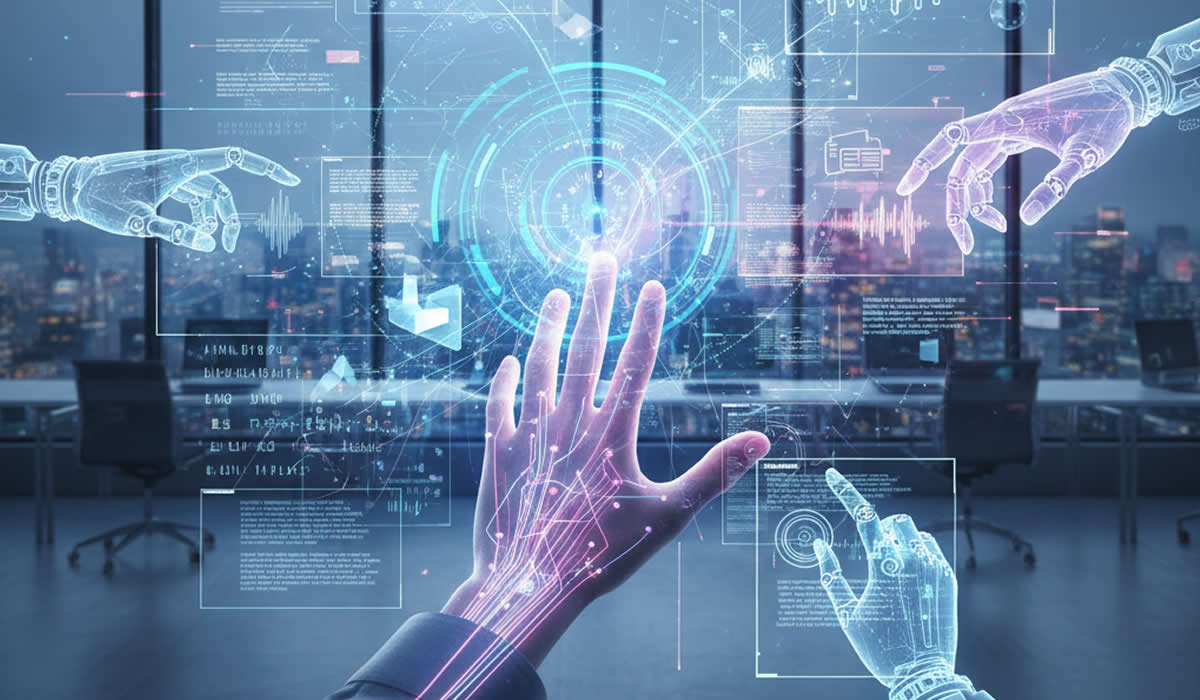
One of the most visible impacts of multimodal AI is in natural communication. Voice assistants are no longer limited to spoken commands. They can interpret gestures, facial expressions, and visual surroundings.
For example, a user can point to an object and ask a question about it, combining speech and vision. The AI understands both inputs together, producing more accurate and relevant responses. This creates a more human like dialogue where users interact naturally rather than following strict command structures.
This capability is especially valuable for accessibility. Multimodal AI can support people with different abilities by offering multiple ways to interact, such as voice, text, or visual feedback, making technology more inclusive.
Transforming Work and Productivity
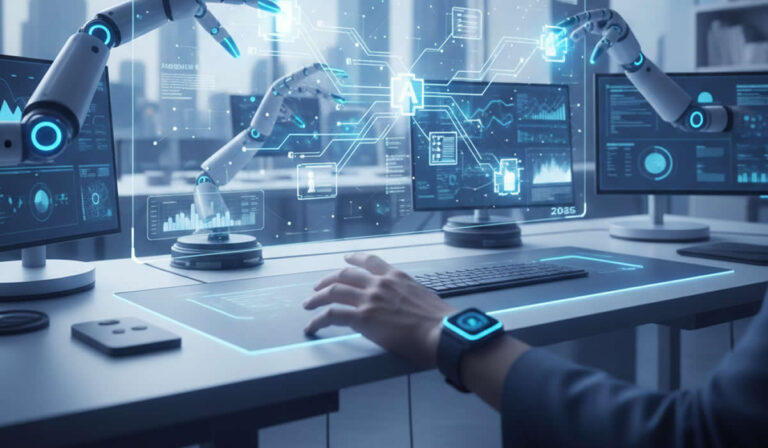
In professional environments, multimodal AI is transforming how work is performed. Knowledge workers increasingly interact with AI systems that can read documents, analyze charts, listen to meetings, and summarize discussions into actionable insights.
Instead of manually switching between tools, users can engage with a single intelligent system that understands information from multiple sources. This reduces cognitive load and saves time.
Designers, engineers, and researchers benefit from multimodal tools that combine sketches, written descriptions, and data visualizations. AI systems can generate prototypes, suggest improvements, and explain tradeoffs using both visual and textual outputs.
As a result, productivity gains come not only from automation, but from smoother collaboration between humans and machines.
Applications in Healthcare and Education
Multimodal AI is playing a critical role in healthcare by integrating diverse forms of data. Medical imaging, patient records, lab results, and spoken notes can be analyzed together to support diagnosis and treatment planning.
Doctors can interact with AI systems using natural language while referencing images or charts. The system understands the full context, helping clinicians make more informed decisions while reducing administrative burden.
In education, multimodal AI supports personalized learning experiences. Students can learn through text, video, diagrams, and interactive simulations, all coordinated by intelligent systems that adapt to individual needs.
Teachers use multimodal tools to assess understanding by analyzing written work, spoken responses, and engagement patterns, enabling more effective instruction.
Multimodal AI in Physical and Digital Environments
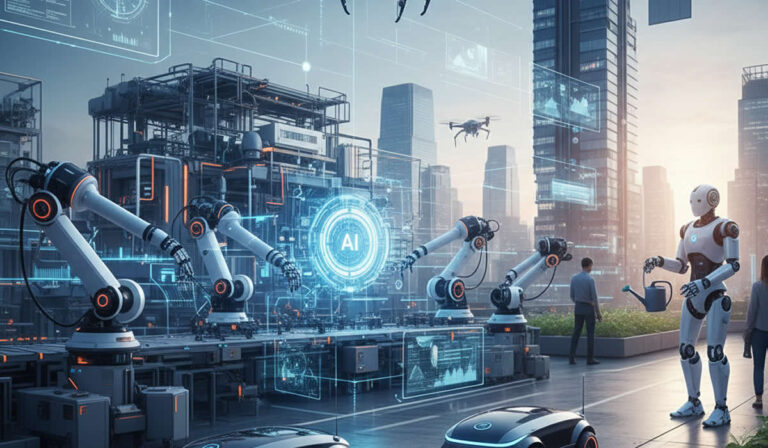
The integration of multimodal AI extends beyond screens into physical spaces. Smart environments such as homes, vehicles, and workplaces rely on AI systems that interpret visual inputs, audio signals, and sensor data.
In vehicles, multimodal AI enhances safety and usability by monitoring driver behavior, road conditions, and spoken commands simultaneously. In smart homes, systems understand voice requests while recognizing occupants and environmental context.
In digital environments, multimodal AI powers immersive experiences such as virtual and augmented reality. Users interact through speech, gestures, and visual focus, creating more engaging and responsive systems.
Challenges and Technical Complexity
Despite its promise, multimodal AI presents significant challenges. Integrating multiple data types requires large, diverse datasets and sophisticated training methods. Ensuring that models interpret modalities consistently and fairly is a complex task.
There are also concerns around bias and privacy. Multimodal systems often rely on sensitive data such as images and voice recordings. Safeguarding this information while maintaining performance is a critical governance issue.
From a technical perspective, multimodal models are resource intensive. Training and deploying them requires substantial computing power and careful optimization to ensure reliability and scalability.
Ethical and Governance Considerations
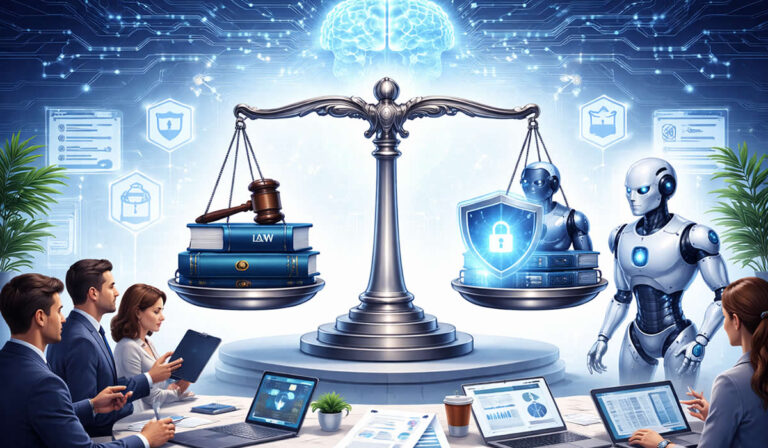
As multimodal AI becomes more powerful, ethical considerations grow more urgent. Systems that can see, hear, and interpret human behavior raise questions about surveillance, consent, and data usage.
Transparent design, clear user controls, and robust governance frameworks are essential. Users must understand when and how multimodal data is collected and processed.
Regulators and organizations in 2026 are increasingly focused on ensuring that multimodal AI systems are accountable, explainable, and aligned with societal values. Trust is a key factor in widespread adoption.
The Future of Human-Machine Interaction
Multimodal AI represents a step toward more collaborative relationships between humans and machines. Rather than tools that simply respond to commands, AI systems are becoming partners that understand context, intent, and nuance.
Future developments will likely focus on deeper reasoning across modalities, emotional awareness, and long term contextual memory. These advances will further blur the line between digital interaction and natural human communication.
As multimodal AI matures, it will redefine expectations for technology across all sectors, from consumer devices to enterprise systems and public services.
The rise of multimodal AI marks the next big leap in human machine interaction. By integrating text, vision, sound, and context into unified systems, AI is becoming more intuitive, responsive, and useful.
In 2026, multimodal AI is not just an innovation, but a foundational shift in how people engage with technology. Its impact extends across communication, productivity, healthcare, education, and everyday life.
When developed responsibly and governed thoughtfully, multimodal AI has the potential to create more natural, inclusive, and empowering interactions between humans and intelligent systems, shaping the future of digital experience for years to come.
About The Author