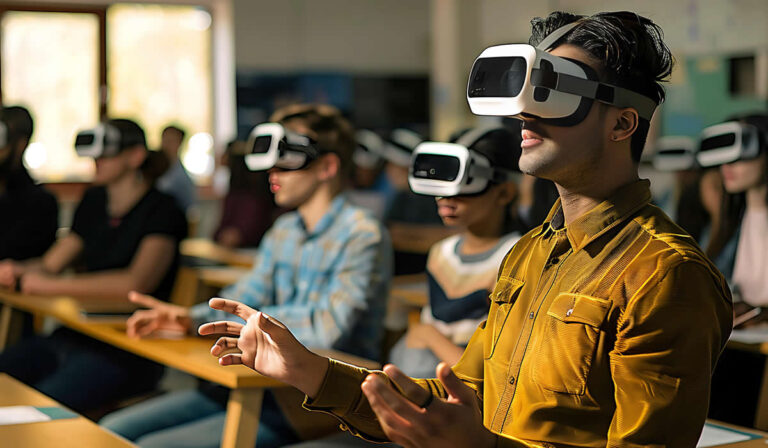

Education is undergoing a significant transformation as digital technologies continue to reshape how students learn and how educators teach. Classrooms today are no longer limited to chalkboards, textbooks, and traditional lectures. Instead, they are increasingly supported by artificial intelligence tools, interactive learning platforms, virtual classrooms, and advanced analytics systems.
In 2026, the challenge facing many schools is not simply adopting new technologies but ensuring that teachers are fully prepared to use them effectively. Technology can enhance education only when educators understand how to integrate it into their teaching strategies. Preparing teachers for tech-driven classrooms has therefore become a priority for education systems around the world.
Professional development, digital literacy training, and institutional support are all essential components of this preparation. When teachers are equipped with the right skills and resources, technology can become a powerful tool that improves learning outcomes and engagement.
The Rise of Technology in Modern Education
Digital technology is now embedded in nearly every aspect of education. Many schools rely on learning management systems to organize courses, distribute materials, and track student progress. Platforms such as Google Classroom and Canvas allow educators to manage assignments, share resources, and communicate with students more efficiently.
Artificial intelligence is also gaining a strong presence in classrooms. AI-powered tutoring systems, automated grading tools, and adaptive learning platforms help personalize education by adjusting content according to each student’s pace and performance.
In addition, technologies such as virtual reality, augmented reality, and interactive simulations are making lessons more immersive. These tools can transform abstract concepts into engaging experiences that help students understand complex topics more easily.
However, the success of these technologies depends largely on teachers’ ability to use them meaningfully.
Why Teacher Preparation Matters
Introducing new technologies into classrooms without adequate training can create frustration rather than improvement. Teachers who are unfamiliar with digital tools may struggle to integrate them into lessons or may avoid using them altogether.
Preparing educators for tech-driven classrooms ensures that technology enhances teaching instead of becoming a distraction. Well-trained teachers can design lessons that combine digital resources with traditional teaching methods, creating balanced and effective learning experiences.
Teacher preparation also helps ensure that technology is used responsibly. Educators must understand issues such as data privacy, digital citizenship, and academic integrity when working with online platforms and AI-powered tools.
By building these competencies, schools can create learning environments where technology supports educational goals rather than complicating them.
Developing Digital Literacy for Educators
Digital literacy is the foundation of effective technology integration in education. Teachers need to understand how digital tools work, how to evaluate their usefulness, and how to use them safely and responsibly.
Digital literacy for educators typically includes several key skills:
- Navigating learning management systems
- Using collaborative tools for communication and teamwork
- Evaluating online information and digital resources
- Managing digital classrooms and student data
- Understanding cybersecurity and privacy practices
Professional development programs are increasingly focusing on these skills. Many institutions offer workshops, online courses, and certification programs that help teachers build digital competence.
Technology companies are also contributing to teacher training initiatives. For example, programs supported by companies like Microsoft and Apple provide educators with guidance on integrating technology into classroom instruction.
Integrating Artificial Intelligence into Teaching
Artificial intelligence is one of the most influential technologies shaping education today. AI-powered tools can assist teachers by automating administrative tasks, analyzing student performance data, and providing personalized learning recommendations.
However, teachers must learn how to use these tools thoughtfully. AI should complement human instruction rather than replace it.
Educators need training on how to evaluate AI-generated content, monitor potential biases in automated systems, and guide students in responsible AI use. They must also help students develop critical thinking skills when interacting with AI-generated information.
Preparing teachers for AI integration ensures that technology supports learning while maintaining the human connection that is central to education.
Designing Technology-Enhanced Lessons
Successful technology integration requires thoughtful lesson design. Teachers must move beyond simply adding digital tools to traditional teaching methods. Instead, they should develop learning experiences where technology enhances understanding, creativity, and collaboration.
For example, teachers might use interactive simulations to demonstrate scientific concepts, collaborative platforms for group projects, or digital storytelling tools for creative assignments.
Educational frameworks such as the SAMR Model help teachers evaluate how technology transforms learning activities. This model categorizes technology use into four levels: substitution, augmentation, modification, and redefinition.
By understanding these levels, educators can design lessons that use technology to create entirely new learning opportunities rather than simply replacing traditional tools.
Supporting Teachers Through Professional Development
Continuous professional development is essential for preparing teachers for technology-driven classrooms. Because digital tools evolve quickly, educators need ongoing opportunities to update their skills.
Effective professional development programs often include:
- Hands-on training with new technologies
- Peer collaboration and mentorship
- Online learning communities for sharing best practices
- Workshops focused on instructional technology strategies
Schools that encourage collaborative learning among teachers often see greater success in technology adoption. Experienced educators can mentor colleagues, share classroom experiences, and demonstrate practical ways to integrate technology into lessons.
This collaborative approach helps build confidence and encourages experimentation with new teaching methods.
Addressing Challenges and Concerns
While technology offers many benefits, it also introduces several challenges that teachers must navigate.
One common concern is screen fatigue. Students already spend significant time interacting with digital devices outside the classroom. Teachers must therefore balance technology use with activities that encourage discussion, critical thinking, and hands-on learning.
Another challenge involves digital equity. Not all students have equal access to devices or reliable internet connections. Teachers must consider these disparities when designing technology-based assignments to ensure that all learners can participate fully.
Data privacy is another important issue. Educators must understand how student data is collected, stored, and used by digital platforms. Responsible technology use requires awareness of privacy regulations and ethical considerations.
By addressing these concerns through training and policy development, schools can create safer and more inclusive digital learning environments.
Encouraging a Growth Mindset Among Teachers
Preparing teachers for tech-driven classrooms also requires a cultural shift. Technology adoption often involves experimentation, adaptation, and continuous learning.
Encouraging a growth mindset among educators can make this transition smoother. Teachers should feel comfortable exploring new tools, trying innovative teaching methods, and learning from both successes and mistakes.
School leaders play a crucial role in fostering this mindset. By providing encouragement, resources, and time for professional learning, administrators can help teachers feel supported as they adapt to evolving educational technologies.
The Role of Leadership and Institutional Support
Effective technology integration depends not only on teacher training but also on strong institutional support. School leaders must ensure that educators have access to reliable infrastructure, technical assistance, and high-quality digital resources.
Investments in hardware, software, and internet connectivity are necessary to support modern learning environments. Equally important is the presence of IT support teams that can help resolve technical issues quickly.
When leadership prioritizes both technology and teacher development, schools are better positioned to implement successful digital learning initiatives.
Looking Ahead
Technology will continue to play an increasingly important role in education. Artificial intelligence, immersive learning technologies, and advanced analytics are expected to reshape classrooms even further in the coming years.
Preparing teachers for this evolving landscape is essential. Educators who understand how to use technology effectively can create engaging, personalized, and collaborative learning experiences for their students.
Rather than replacing traditional teaching methods, technology should serve as a powerful complement that expands what is possible in education.
Preparing teachers for tech-driven classrooms is one of the most important priorities for education in 2026. As digital tools become integral to teaching and learning, educators must develop the skills and confidence needed to use these technologies effectively.
Through digital literacy training, professional development, collaborative learning communities, and strong institutional support, teachers can successfully adapt to the changing educational landscape.
When teachers are well prepared, technology becomes more than just a classroom tool. It becomes a catalyst for innovation, engagement, and improved learning outcomes, helping students develop the knowledge and skills they need to thrive in a rapidly evolving digital world.
About The Author