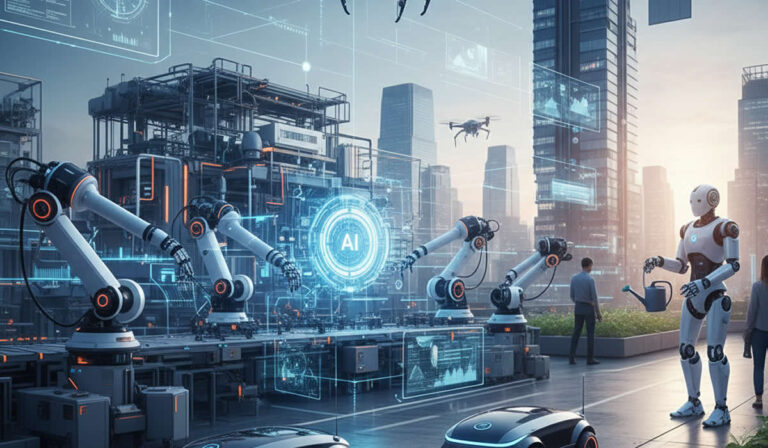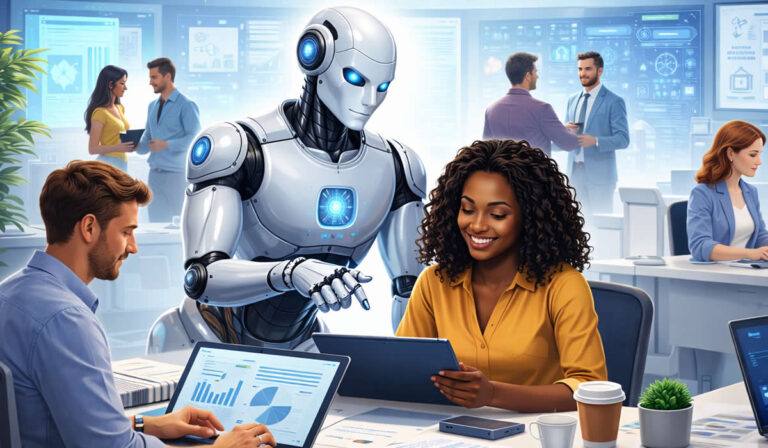
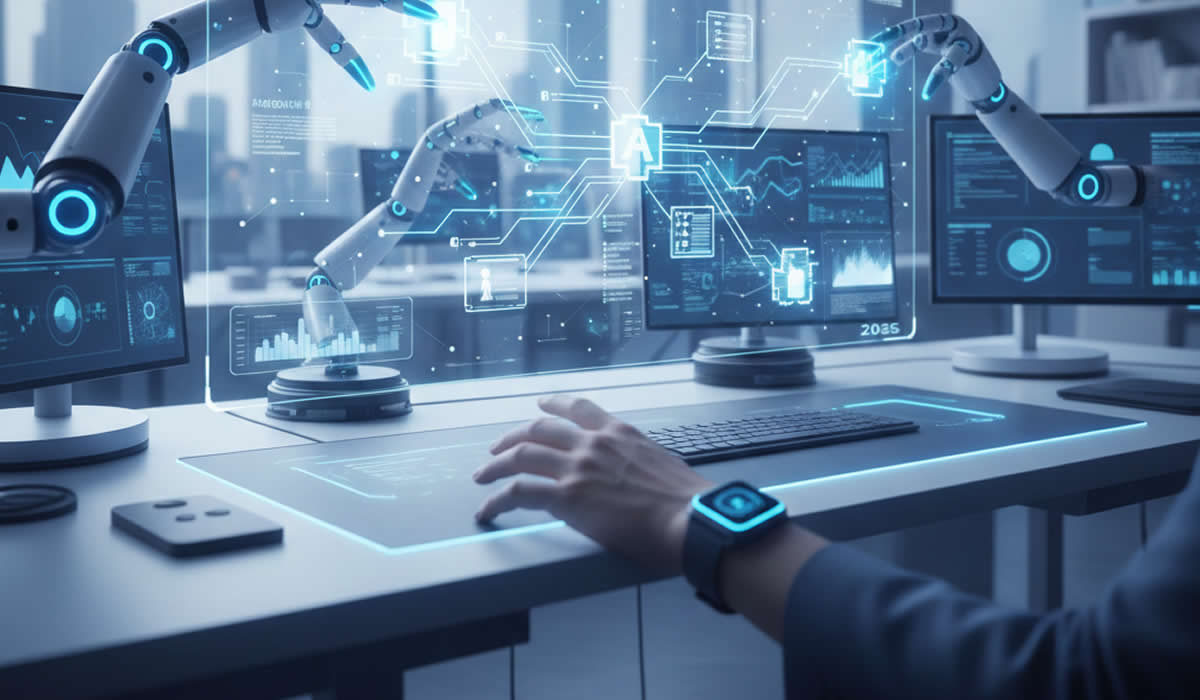
Artificial Intelligence is no longer confined to screens, software, and digital environments. In 2026, AI has firmly entered the physical world, giving rise to what is commonly known as physical AI. This branch of artificial intelligence combines advanced algorithms with robotics, sensors, and real world systems to enable machines to perceive, move, and act within physical environments. From factories and hospitals to homes and public spaces, physical AI is transforming both industry and everyday life in profound ways.
Unlike traditional AI applications that focus on data analysis or virtual interactions, physical AI operates where digital intelligence meets real world action. This convergence is redefining productivity, safety, and convenience across multiple sectors.
Understanding Physical AI
Physical AI refers to intelligent systems that can sense their surroundings, make decisions, and perform actions in the physical world. These systems rely on a combination of machine learning, computer vision, sensor fusion, and robotics.
Cameras, lidar, touch sensors, and microphones allow physical AI systems to perceive their environment. AI models interpret this data to understand objects, spatial relationships, and human behavior. Actuators and robotic components then enable these systems to move, manipulate objects, or interact with people.
What makes physical AI especially powerful is its ability to learn from real world experience. Systems improve over time by observing outcomes, adapting to new conditions, and refining their behavior.
The Evolution From Automation to Intelligent Action
Earlier forms of industrial automation relied on rigid programming and controlled environments. Machines followed predefined instructions and struggled to adapt to change. Physical AI represents a significant evolution beyond this model.
Modern physical AI systems can handle uncertainty, variability, and complexity. They adjust their actions based on real time feedback and contextual understanding. This flexibility allows them to operate safely alongside humans and in dynamic environments.
In 2026, physical AI systems are not just tools, but collaborators that support human effort rather than simply replacing it.
Transforming Manufacturing and Industry
One of the most significant impacts of physical AI is in manufacturing and industrial operations. Smart robots now handle tasks that require precision, adaptability, and decision making.
In factories, physical AI systems inspect products, assemble components, manage inventory, and optimize production flows. Vision enabled robots can identify defects, adapt to variations in materials, and work continuously without fatigue.
Collaborative robots, often referred to as cobots, work directly alongside human employees. They assist with heavy lifting, repetitive tasks, and complex assembly, reducing workplace injuries and improving efficiency.
Physical AI also enables predictive maintenance. Machines equipped with sensors and AI models detect early signs of wear or failure, allowing repairs to be scheduled before breakdowns occur. This reduces downtime and operational costs.
Revolutionizing Logistics and Transportation
Logistics and transportation are being reshaped by physical AI through autonomous systems and intelligent coordination. Warehouses increasingly rely on AI powered robots to pick, pack, and transport goods efficiently.
These systems navigate complex layouts, avoid obstacles, and coordinate with other machines in real time. The result is faster order fulfillment and more reliable supply chains.
In transportation, physical AI powers autonomous and semi autonomous vehicles. These systems interpret road conditions, traffic patterns, and human behavior to improve safety and efficiency. While full autonomy continues to evolve, AI assisted driving features are already reducing accidents and enhancing mobility.
Drones equipped with physical AI are also used for deliveries, inspections, and emergency response, reaching areas that are difficult or dangerous for humans.
Physical AI in Healthcare and Caregiving
Healthcare is experiencing a major transformation through physical AI. Robots assist in surgeries, rehabilitation, and patient care, supporting medical professionals while improving outcomes.
Surgical robots enhance precision and control, enabling minimally invasive procedures. AI driven systems analyze real time data to support decision making during complex operations.
In hospitals and care facilities, physical AI systems transport supplies, sanitize rooms, and monitor patient conditions. Assistive robots help patients with mobility, therapy, and daily activities, promoting independence and dignity.
For aging populations, physical AI offers solutions for home based care. Intelligent devices monitor health indicators, detect falls, and provide timely alerts, helping people live safely at home for longer.
Enhancing Daily Life and Smart Environments
Beyond industry, physical AI is becoming part of everyday life. Smart homes use AI powered devices that respond to voice, movement, and environmental changes.
Robotic vacuum cleaners, lawn mowers, and personal assistants adapt to household routines and layouts. These systems learn user preferences and improve performance over time, saving time and effort.
In public spaces, physical AI enhances safety and efficiency. Intelligent traffic systems manage congestion, while AI powered surveillance supports security and emergency response when used responsibly.
Retail environments use physical AI for inventory tracking, checkout automation, and customer assistance, creating smoother shopping experiences.
Human Interaction and Trust
As physical AI systems become more present in daily life, human interaction and trust are critical considerations. Machines that move and act in shared spaces must behave predictably and safely.
Designers focus on transparency, responsiveness, and clear communication. Physical AI systems use visual signals, sounds, and gestures to indicate intent and status, helping humans feel comfortable and informed.
Building trust also requires reliability and ethical design. Systems must respect privacy, operate within defined boundaries, and allow human oversight and control.
Challenges and Limitations
Despite its rapid growth, physical AI faces significant challenges. Real world environments are complex and unpredictable. Lighting changes, obstacles, and human behavior can vary widely, making perception and decision making difficult.
Developing robust physical AI systems requires extensive training, testing, and validation. Hardware costs, maintenance, and energy consumption are also important considerations.
Safety remains a top priority. Physical AI systems must be designed with fail safe mechanisms to prevent harm in case of errors or malfunctions.
Governance and Ethical Considerations
The expansion of physical AI raises important governance and ethical questions. Who is responsible when an autonomous system causes damage or injury? How should data collected by physical sensors be managed?
In 2026, regulators and organizations are working to establish standards for safety, accountability, and transparency. Ethical guidelines emphasize human oversight, fairness, and respect for individual rights.
Responsible deployment is essential to ensure that physical AI benefits society without creating new risks or inequalities.
The Road Ahead
Physical AI is still evolving, but its trajectory is clear. As sensors become more advanced, hardware more efficient, and AI models more capable, physical systems will become increasingly autonomous and adaptable.
Future developments will likely include greater collaboration between multiple AI systems, deeper integration with digital intelligence, and broader adoption across sectors.
Rather than replacing humans, physical AI is poised to augment human capabilities, handling physically demanding, dangerous, or repetitive tasks while allowing people to focus on creativity, judgment, and connection.
Physical AI is transforming industry and daily life by bringing intelligence into the physical world. From manufacturing and logistics to healthcare and homes, these systems are improving efficiency, safety, and quality of life.
In 2026, physical AI represents a powerful shift in how humans and machines interact. When developed responsibly and guided by thoughtful governance, it has the potential to create a future where intelligent machines work alongside people to build more productive, safe, and sustainable societies.
About The Author