There is a specific kind of magic that happens when the credits roll on a truly immersive film. For a few moments, the boundary between the theater seat and the fictional world is porous. We aren’t just spectators; we are inhabitants of Arrakis, guests at a luxury Thai resort, or travelers on a dusty road in Middle-earth. This phenomenon has given rise to “set-jetting”—a travel trend where the destination is chosen not just for its climate or cuisine, but for its cinematic soul.
In 2026, the world of film tourism is more accessible than ever. Whether it is the desert landscapes of a sci-fi epic or the sun-drenched villas of a dark comedy, these locations offer a chance to step through the screen. Here is a guide to the most iconic filming locations you can actually visit, along with how to experience them like a local rather than just a tourist.
The Desert Majesty of Arrakis: Jordan and Abu Dhabi
With the recent conclusion of the Dune trilogy, the demand to see the “real” Arrakis has reached a fever pitch. Director Denis Villeneuve famously avoided green screens in favor of the tactile, overwhelming scale of the Middle Eastern deserts.
Wadi Rum, Jordan
Commonly known as the Valley of the Moon, Wadi Rum served as the primary backdrop for the Fremen sietches and the rocky outcrops of the deep desert. Its red sands and towering sandstone mountains are so otherworldly that they have played everything from Mars to Arrakis.
- The Experience: To truly feel like Paul Atreides, book a “glamping” experience in a Martian-style dome. Many local Bedouin guides now offer specific Dune tours that take you to the exact rock formations seen in the films.
The Liwa Desert, Abu Dhabi
For the sweeping, endless sand dunes where the giant sandworms roam, the production moved to the Empty Quarter (Rub’ al Khali) in Abu Dhabi. This is the largest contiguous sand desert in the world.
- The Experience: Stay at the Qasr Al Sarab Desert Resort. The cast and crew used this luxury oasis as their base. Standing on the balcony at sunset, looking out over dunes that reach 300 meters high, you realize that the film’s “special effects” were mostly just a camera pointed at the horizon.
The New Standard of Luxury: Thailand’s White Lotus
Following the global success of The White Lotus Season 3, Thailand has become the ultimate destination for those seeking a mix of spiritual reflection and high-end drama. While the show focuses on the “Wellness Sanctuary,” the real-life locations are masterpieces of Thai hospitality.
Koh Samui and the Four Seasons
The fictional White Lotus resort in Season 3 is primarily the Four Seasons Resort Koh Samui. Tucked away on the island’s northwestern tip, the resort features private villas nestled into a lush hillside.
- The Experience: You can visit the specific beach where the characters arrive by boat—the Mu Ko Ang Thong National Marine Park. It is a short day trip from the mainland and offers an archipelago of 42 emerald islands. Even if you aren’t staying at the Four Seasons, you can visit their bars or spas to soak in the atmosphere of the show’s “privileged” setting.
Phuket and the Anantara Mai Khao
The show’s “Wellness Sanctuary” scenes were largely filmed at the Anantara Mai Khao Phuket Villas. This location showcases traditional Southern Thai architecture and serves as the backdrop for the returning character Belinda’s journey.
- The Experience: Visit the lotus-filled lagoons that surround the spa. It is one of the most serene spots in Phuket and perfectly captures the “healing” aesthetic the show explores.
The Epic Landscapes of Middle-earth: New Zealand
Twenty-five years after the first Lord of the Rings film, New Zealand remains the gold standard for film tourism. In 2026, the locations are as pristine as ever, thanks to the country’s dedicated conservation efforts.
Hobbiton, Matamata
The Hobbiton Movie Set is one of the few film sets in the world that was rebuilt as a permanent structure. It isn’t just a facade; you can now go inside a fully realized Hobbit Hole to see the intricate details of a Baggins-style home.
- The Experience: The “Evening Banquet Tour” is a must. It allows you to see the Shire at dusk, complete with lanterns and a feast in the Green Dragon Inn. It is the closest a human being can get to living in a fantasy novel.
Tongariro National Park (Mordor)
If the Shire is the heart of Middle-earth, Tongariro is its dark soul. The Tongariro Alpine Crossing is often cited as the best one-day hike in the world. As you trek past the perfectly conical Mount Ngauruhoe (Mount Doom), the volcanic terrain feels remarkably like the land of Shadow.
- The Experience: Be prepared for the weather. This is a challenging 19-kilometer hike that requires proper gear. Standing on the edge of the Red Crater looking toward Mount Doom is a spiritual experience for any Tolkien fan.
The Ancient Power of Rome: Malta and Morocco
With Gladiator 2 hitting theaters, the ancient world is back in the spotlight. While the story is set in Rome, the actual filming took place in locations that have preserved the scale of antiquity.
Fort Ricasoli, Malta
Ridley Scott returned to Malta to film the sequel, utilizing the massive 17th-century Fort Ricasoli. Because the actual Colosseum in Rome is a protected monument that cannot be used for action sequences, Scott built a massive, life-sized replica of the arena within the fort’s walls.
- The Experience: While the set itself is often dismantled after filming, the fort remains a stunning site overlooking Valletta Harbor. Walking the ramparts gives you a panoramic view of the Mediterranean that feels appropriately “imperial.”
Ouarzazate, Morocco
Known as the “Hollywood of Africa,” Ouarzazate and the nearby Aït Benhaddou were used for scenes involving the provinces and the slave trade. Aït Benhaddou is a UNESCO World Heritage site and a striking example of Moroccan earthen clay architecture.
- The Experience: Take a guided tour of Atlas Studios. You can see the remnants of sets from Gladiator, Game of Thrones, and Kingdom of Heaven. It is a surreal graveyard of cinematic history.
Summary of Filming Locations to Visit
| Film / Series | Real-World Location | Best Time to Visit |
| Dune | Wadi Rum, Jordan | March to May (Mild weather) |
| The White Lotus | Koh Samui, Thailand | January to April (Dry season) |
| Lord of the Rings | Matamata, New Zealand | December to February (Summer) |
| Gladiator 2 | Fort Ricasoli, Malta | May or September (Avoiding peak heat) |
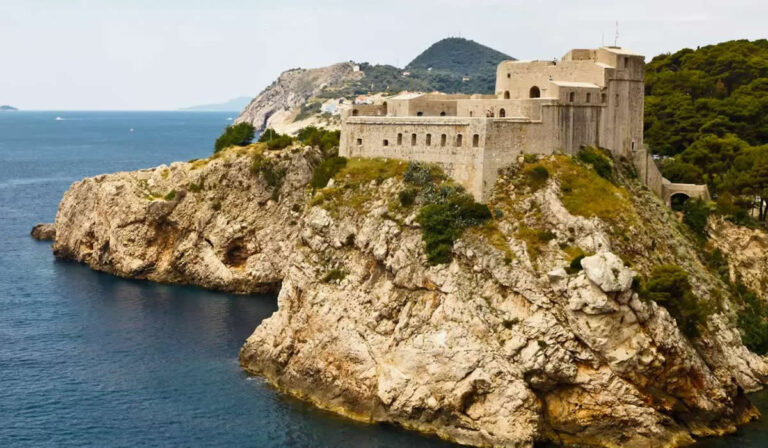
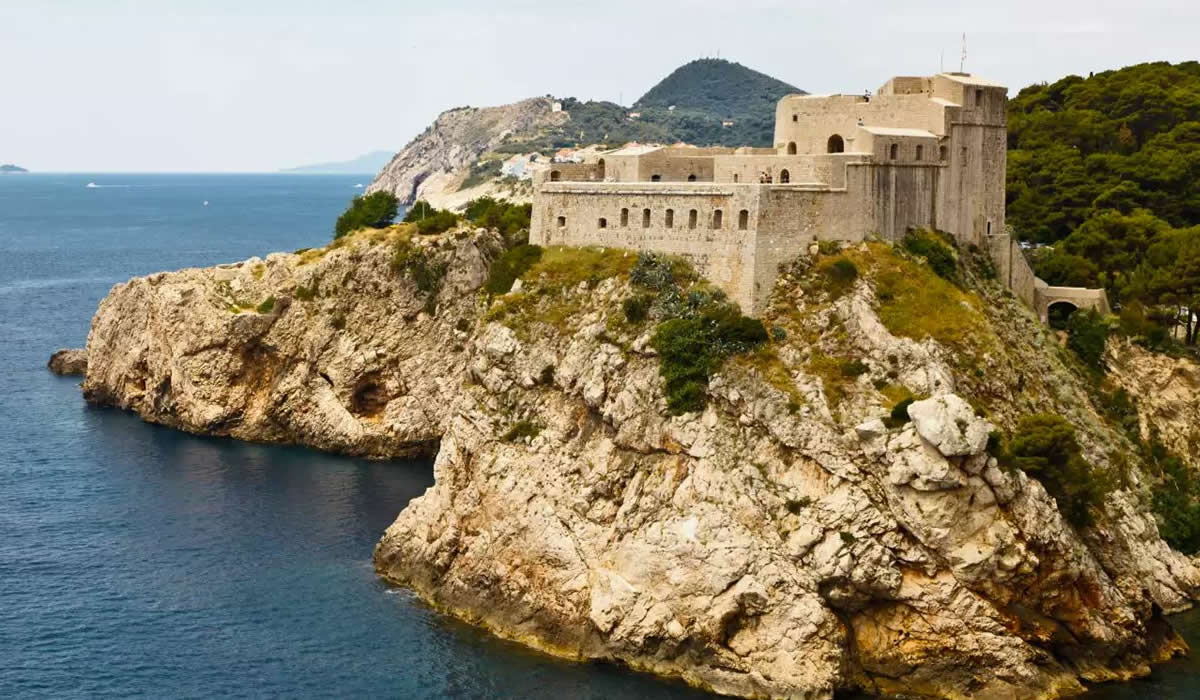
| House of the Dragon | Dubrovnik, Croatia | June or September (To avoid the peak crowds) |
The Professional Set-Jetter’s Code
Traveling to these locations is more than a photo opportunity; it is an act of appreciation for the craft of filmmaking. To make the most of your trip, consider these three “pro-tips”:
- Respect the “Private” in Private Property: Some iconic locations, such as Drayton House from Saltburn, are private residences. While you can often walk the public footpaths nearby, always respect the privacy of the owners.
- Go Beyond the Selfie: The best part of set-jetting is discovering that the location has a history far older than the movie. Learn about the Māori legends of Tongariro or the Nabataean history of Jordan while you are there.
- Check Local Film Commissions: Many countries now have official “film maps” that provide GPS coordinates for specific scenes. These are invaluable tools for finding that one specific bridge or alleyway.
Movies give us a window into other worlds, but travel gives us the door.
About The Author