
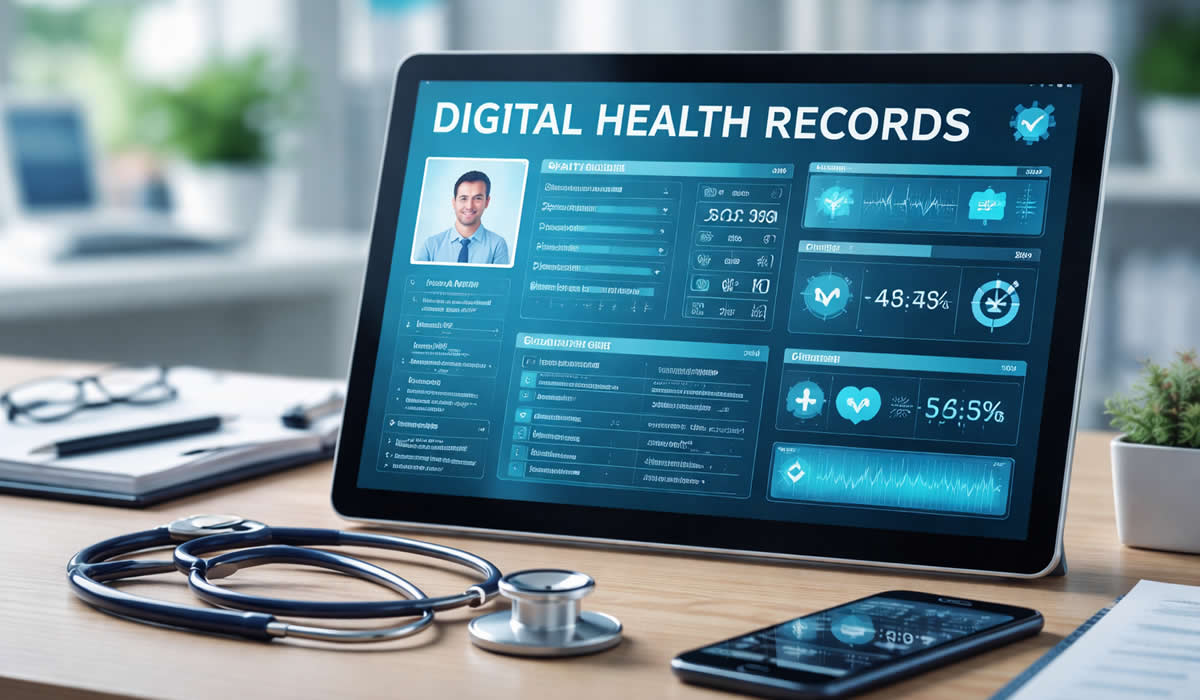
Healthcare systems around the world are undergoing a major digital transformation, and one of the most significant developments is the widespread adoption of digital health records. Often referred to as Electronic Health Records, these systems are gradually replacing traditional paper files in hospitals, clinics, and laboratories. For patients, this shift brings both new opportunities and new responsibilities. Understanding how digital health records work and what they mean for personal healthcare is increasingly important.
Digital health records are designed to make healthcare more efficient, accurate, and accessible. However, patients should also be aware of how their medical information is stored, shared, and protected. By learning the basics of digital health records, patients can make better decisions about their healthcare and take a more active role in managing their medical history.
What Are Digital Health Records?
Digital health records are electronic versions of a patient’s medical history. These records are stored in secure digital systems that healthcare providers can access when needed. Instead of keeping handwritten files in cabinets, hospitals and clinics now store patient information in databases that can be quickly retrieved and updated.
A digital health record typically includes a wide range of information about a patient’s health. This may include personal details such as name, age, and contact information, as well as medical history, diagnoses, laboratory test results, prescriptions, immunization records, allergies, imaging reports, and treatment plans.
In many systems, these records are connected across different healthcare providers. This means that if a patient visits a specialist, emergency department, or laboratory, the relevant healthcare professionals may be able to access the same information. This connectivity can help ensure continuity of care and reduce the risk of medical errors.
How Digital Health Records Improve Healthcare
One of the biggest advantages of digital health records is improved coordination of care. When doctors and nurses have quick access to a patient’s medical history, they can make more informed decisions about diagnosis and treatment.
For example, if a patient arrives at an emergency department, doctors can quickly check existing conditions, medications, or allergies. This information can be crucial when making urgent treatment decisions. Without digital records, healthcare providers might rely on incomplete information or patient memory.
Digital records also reduce paperwork and administrative delays. Test results can be uploaded directly into the system, prescriptions can be sent electronically to pharmacies, and appointment histories can be tracked automatically. This efficiency helps healthcare providers focus more on patient care rather than manual documentation.
Another benefit is improved accuracy. Handwritten medical notes can sometimes be difficult to read or interpret. Digital systems standardize how information is recorded and organized, reducing the chances of miscommunication between healthcare providers.
Accessing Your Own Health Information
Many healthcare providers now allow patients to access their digital health records through online patient portals. These platforms give patients the ability to view important health information from their computer or smartphone.
Through these portals, patients may be able to review laboratory results, check medication lists, schedule appointments, request prescription refills, and communicate with healthcare providers. Some systems also allow patients to upload personal health information such as home blood pressure readings or fitness data.
Having access to personal health records empowers patients to take a more active role in their healthcare. It also helps individuals track their medical history more easily, especially when consulting multiple healthcare providers over time.
However, patients should remember that medical records can sometimes contain complex medical terminology. If anything in the record is unclear, it is always advisable to ask a healthcare provider for clarification.
Privacy and Data Protection
While digital health records offer many benefits, they also raise important questions about privacy and data security. Medical records contain sensitive personal information, and protecting this data is essential.
Healthcare institutions use a range of security measures to protect digital records. These may include encryption, password protection, multi factor authentication, and strict access controls. Only authorized healthcare professionals should be able to view or modify patient records.
In many countries, laws and regulations govern how medical information can be stored and shared. These regulations are designed to ensure that patient data is used only for legitimate healthcare purposes.
Patients also play a role in protecting their own health information. When accessing patient portals, it is important to use strong passwords, avoid sharing login credentials, and log out after using public or shared devices.
Data Sharing Between Healthcare Providers
Digital health records often allow information to be shared between different healthcare facilities. This feature can greatly improve the continuity of care, particularly for patients with chronic conditions who see multiple specialists.
For instance, a general practitioner may refer a patient to a cardiologist. With digital records, the specialist can review previous test results, medications, and diagnoses before the appointment. This reduces duplication of tests and ensures that the specialist has a complete understanding of the patient’s health history.
However, patients usually have certain rights regarding how their medical data is shared. In some systems, patients can control which healthcare providers can access their records or limit the sharing of specific information.
It is a good idea for patients to ask their healthcare provider about how their data is shared and what options they have for managing access.
The Role of Digital Health Records in Preventive Care
Digital health records are not only useful for treating illness. They also play an important role in preventive healthcare. Many systems include tools that remind healthcare providers about routine screenings, vaccinations, or follow up appointments.
For example, the system may flag when a patient is due for a cancer screening, diabetes check, or immunization. These automated reminders help ensure that preventive care is not overlooked.
Digital records can also support public health initiatives. When health authorities analyze anonymized data from digital records, they can identify patterns in disease outbreaks, monitor vaccination rates, and improve healthcare planning.
Potential Challenges and Limitations
Despite their advantages, digital health records are not without challenges. Technical issues, such as system outages or software glitches, can temporarily disrupt access to medical information.
Another concern is interoperability, which refers to the ability of different healthcare systems to communicate with each other. In some cases, hospitals and clinics may use different software platforms that do not easily exchange information. This can limit the benefits of digital records.
There is also a learning curve for healthcare providers who must adapt to new technology. While digital systems can improve efficiency in the long run, they sometimes require additional training and adjustments to workflow.
For patients, the digital divide can also be a barrier. Not everyone has reliable internet access or the skills needed to use online health portals. Healthcare systems must ensure that digital solutions remain inclusive and accessible to all patients.
What Patients Should Do
Patients can take several simple steps to make the most of digital health records. First, it is important to keep personal information up to date with healthcare providers. Accurate contact details, medication lists, and allergy information help ensure that records remain reliable.
Patients should also review their medical records periodically if they have access to a patient portal. Checking for errors or outdated information can help prevent misunderstandings during future medical visits.
Another helpful step is maintaining personal copies of important medical documents, such as vaccination records or major test results. While digital systems are generally reliable, having personal records can be useful in certain situations.
Finally, patients should feel comfortable asking questions about how their medical data is stored and used. Healthcare providers are responsible for explaining how digital health systems work and how patient information is protected.
The Future of Digital Health Records
Digital health records are expected to become even more advanced in the coming years. Emerging technologies such as artificial intelligence, remote monitoring devices, and integrated health platforms are likely to expand the capabilities of these systems.
For example, wearable devices may automatically send health data such as heart rate or activity levels directly into a patient’s digital record. This continuous flow of information could help doctors detect health issues earlier and personalize treatment plans.
As healthcare continues to evolve, digital health records will play a central role in connecting patients, healthcare providers, and medical technologies.
Digital health records represent a significant step forward in modern healthcare. By replacing paper files with secure electronic systems, healthcare providers can improve accuracy, efficiency, and coordination of care.
For patients, understanding how these systems work is essential. Digital health records offer greater access to personal medical information, better communication with healthcare providers, and improved continuity of care. At the same time, patients should remain mindful of privacy, security, and the responsible use of their health data.
As digital healthcare continues to expand, informed patients will be better equipped to benefit from these technologies and participate actively in their own health management.
About The Author