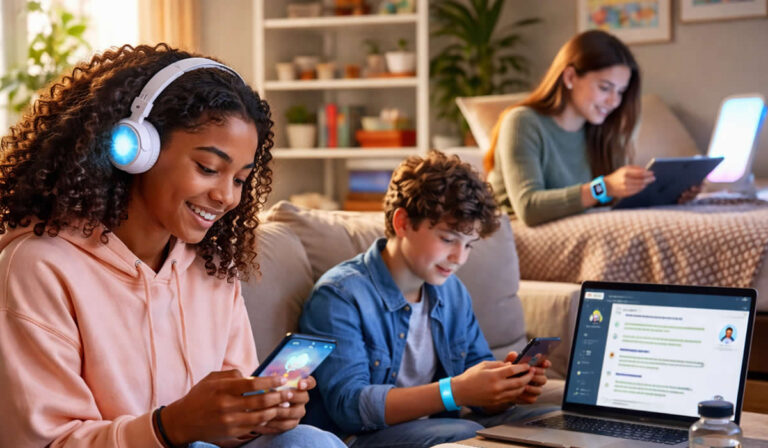
In recent years, wearable technology has moved from a niche fitness gadget to a mainstream health companion. From smartwatches to fitness bands and even smart clothing, wearable tech now plays a key role in helping people track their health, stay active, and make better lifestyle choices. But with so many devices and features on the market, it can be overwhelming to know what actually works. This year, wearable tech is more sophisticated, personalised, and integrated than ever, offering practical tools to support healthy living.
What Is Wearable Technology in Health?
Wearable technology in health refers to devices that you wear on your body to monitor, track, or analyze different aspects of your physical and mental wellbeing. At its core, wearable tech collects data using sensors, then interprets it to provide insights.
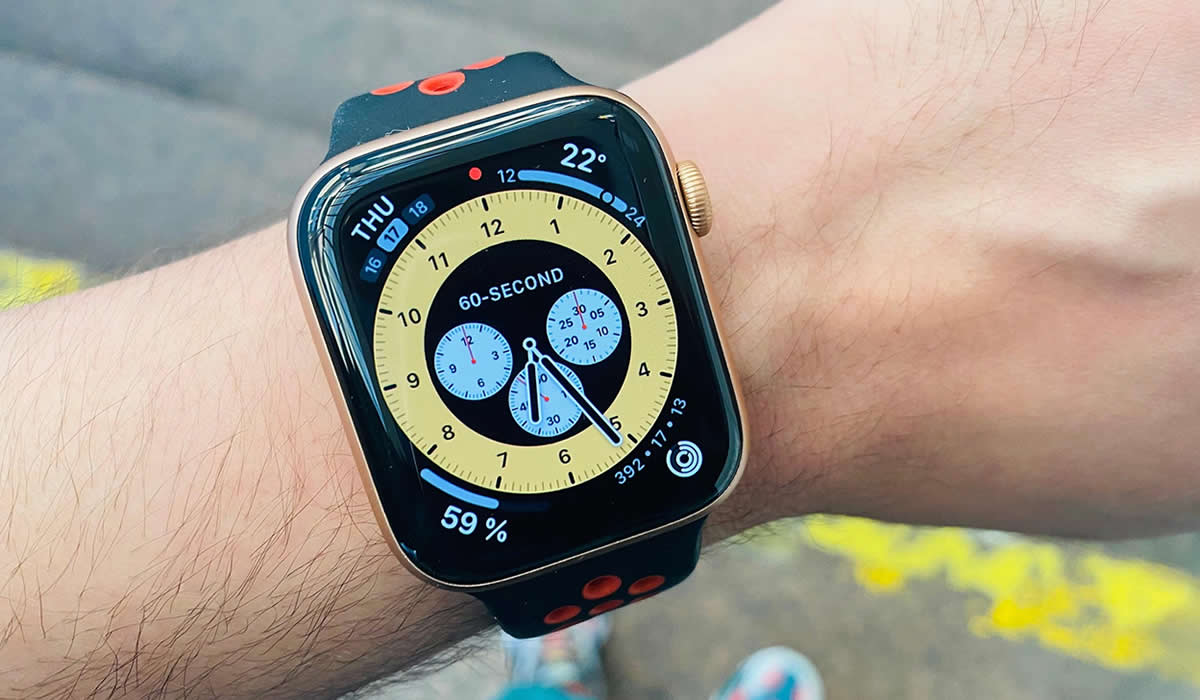
The most common types of wearables include smartwatches, fitness trackers, heart rate monitors, sleep trackers, and even smart rings. More advanced devices can monitor blood oxygen levels, stress indicators, and even electrocardiogram (ECG) readings. Some wearable tech is integrated into clothing, such as shirts or socks that track posture, muscle activity, or running form.
The appeal of wearable technology lies in its ability to provide continuous feedback. Instead of waiting for a doctor’s appointment or manually tracking steps in a notebook, wearables provide real-time data that helps users make informed decisions about their health.
How Wearable Tech Supports Physical Activity
One of the most straightforward benefits of wearable tech is encouraging physical activity. Step counters, heart rate monitors, and GPS-enabled devices allow users to track their movement, set goals, and monitor progress over time.
Research consistently shows that tracking daily activity can motivate individuals to move more. Many wearable devices gamify the experience, offering badges, reminders, or social challenges to encourage users to meet step goals or maintain exercise streaks. In 2026, devices are increasingly incorporating AI-driven coaching, adjusting recommendations based on your fitness level, activity history, and even weather conditions.
Beyond steps, wearable tech can guide structured workouts. Smartwatches and fitness apps provide personalized exercise routines, track repetitions, and monitor performance metrics such as calories burned or intensity levels. Some devices even provide feedback on form, helping prevent injuries while optimizing results.
Monitoring Heart Health and Vital Signs
Wearable devices have become invaluable tools for monitoring cardiovascular health. Modern smartwatches can track resting heart rate, heart rate variability, and even detect irregular heart rhythms. For individuals with conditions like arrhythmia or hypertension, these features provide an extra layer of monitoring between medical visits.
Blood oxygen monitoring, previously limited to clinical settings, is now widely available in consumer devices. Tracking oxygen saturation can help detect early signs of sleep disturbances, respiratory issues, or altitude-related challenges.
Some wearable devices even allow users to record ECG readings, providing data that can be shared with healthcare providers. This integration of clinical-level monitoring into everyday wearables is empowering individuals to take a proactive approach to heart health.
Sleep Tracking and Recovery
Sleep is a critical component of overall health, and wearable technology has made it easier to understand sleep patterns. Advanced wearables track not only total sleep duration but also sleep stages, restlessness, and nighttime heart rate. Some devices even detect breathing irregularities that may indicate sleep apnea.
Tracking sleep trends can help users identify patterns related to stress, lifestyle choices, or environmental factors. Some wearable devices provide actionable recommendations, such as adjusting bedtime, reducing late-night screen exposure, or creating better sleep routines. Recovery tracking is also integrated with physical activity, helping users balance exercise intensity with adequate rest.
Nutrition and Hydration Insights
Although wearables cannot replace proper nutrition guidance, some devices now assist in tracking calorie burn, macronutrient needs, and hydration levels. Certain wearables can estimate daily energy expenditure based on movement and activity data, which, when paired with nutrition apps, helps users maintain caloric balance.
Hydration tracking is becoming more advanced with sensors that detect changes in sweat rate and electrolyte loss. Proper hydration impacts energy levels, cognitive function, and overall wellness, making these insights a valuable addition to a health-focused routine.
Mental Health and Stress Management
Wearable tech is increasingly focusing on mental health, helping users manage stress and emotional wellbeing. Devices now measure physiological indicators of stress, such as heart rate variability and skin conductance. Some wearables provide guided breathing exercises, mindfulness prompts, and relaxation techniques in response to elevated stress levels.
These features are especially useful in a world where mental health is as critical as physical health. By integrating mental wellness monitoring with daily activity and sleep data, wearables offer a holistic picture of health, helping users identify patterns that contribute to stress and fatigue.
Personalisation and AI Integration
One of the most exciting developments in wearable technology this year is the use of artificial intelligence to personalize health recommendations. AI algorithms analyze historical data, current activity levels, and health goals to offer tailored guidance.
For example, an AI-driven wearable may notice that a user’s heart rate rises disproportionately during certain workouts, suggesting modifications to intensity or recovery periods. Similarly, AI can provide reminders to move after periods of inactivity, suggest meal timing based on energy expenditure, or adjust sleep recommendations according to past trends.
This level of personalization makes wearable tech more than just a passive tracker—it becomes a proactive companion that encourages smarter, healthier choices.
Social Features and Motivation
Community and social features have always been part of the appeal of wearable tech. Many devices now allow users to connect with friends, join challenges, or share achievements. This sense of accountability can increase motivation, especially for individuals who thrive in a group setting.
Some wearables integrate with social platforms or fitness apps, creating a supportive network that celebrates progress and encourages consistency. These features transform individual health tracking into a shared, engaging experience that makes healthy living more enjoyable.
Limitations and Considerations
Despite the benefits, wearable technology is not without limitations. Accuracy can vary depending on the device and activity type. Step counters may miscount certain movements, heart rate sensors can be affected by skin tone or wrist placement, and sleep tracking may not fully capture all sleep nuances.
It is also important to view wearables as tools, not substitutes for medical advice. While they provide valuable insights, users should consult healthcare professionals for any significant health concerns or symptoms.
Battery life and device durability are practical considerations as well. Users need to ensure devices are charged, properly maintained, and comfortable for daily wear. Additionally, privacy remains a concern, as wearable devices collect sensitive personal health data. Choosing devices with robust security features and understanding data-sharing policies is essential.
Choosing the Right Wearable
With the rapid expansion of wearable tech, selecting the right device can be challenging. Key factors to consider include:
- Features: Identify which health metrics are most relevant, such as heart rate, sleep, or activity tracking.
- Accuracy: Look for devices with validated sensors and positive reviews regarding reliability.
- Battery Life: Consider how often the device needs to be charged, especially if it monitors sleep or continuous activity.
- Comfort and Design: Daily wearability is essential for consistent tracking.
- App Ecosystem: Choose a device that syncs with apps and platforms you already use or prefer.
- Privacy: Review how the device handles personal data and whether it allows secure sharing with healthcare providers.
Trying devices in person or reading reviews from trusted sources can help make an informed choice. Some users may prefer simplicity and long battery life, while others may prioritize advanced metrics and AI insights.
The Future of Wearable Health Technology
The future of wearable health technology looks increasingly integrated and intelligent. Devices are becoming smaller, more accurate, and capable of monitoring more physiological parameters. We can expect more real-time integration with healthcare providers, telemedicine platforms, and electronic health records.
Emerging trends include wearable devices that monitor metabolic data, blood glucose levels for non-diabetic users, and even early detection of certain illnesses. The integration of AI, predictive analytics, and real-time feedback will continue to make wearable technology a central tool in preventive health and personalized medicine.
Wearable technology is redefining how we approach health and wellness. This year, devices are not only tracking steps and heart rates, they are providing actionable insights, personalized coaching, and mental health support. For anyone looking to improve their lifestyle, wearable tech offers a practical, data-driven way to understand the body, make informed decisions, and stay motivated.
While these devices are powerful tools, they work best when combined with traditional healthcare, proper nutrition, and a balanced lifestyle. By understanding what wearable technology can do and what it cannot, users can harness these innovations to live healthier, more informed lives.
About The Author