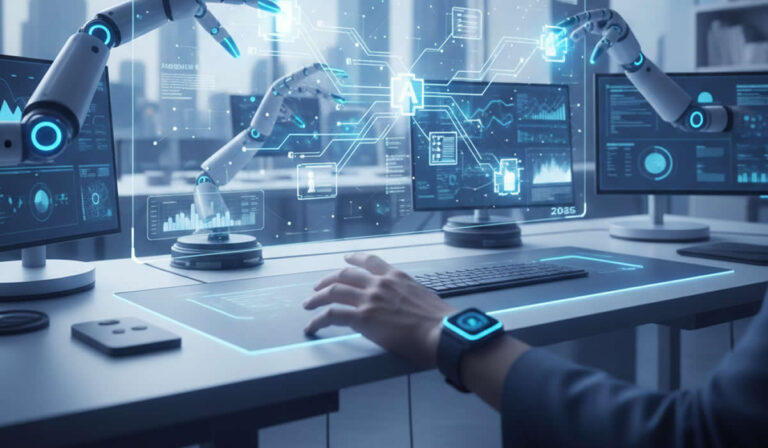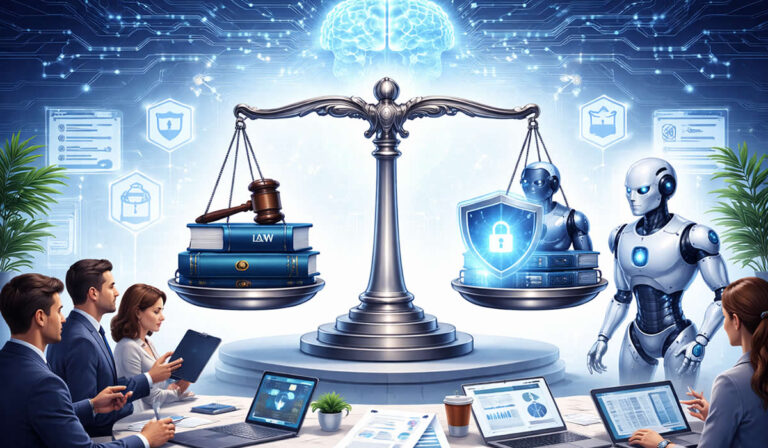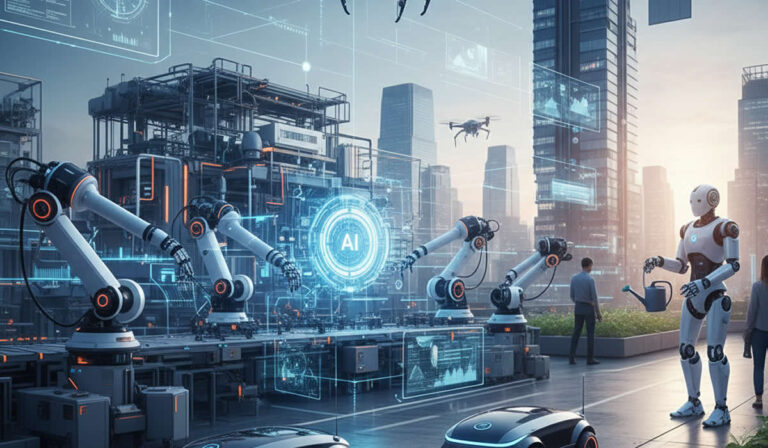
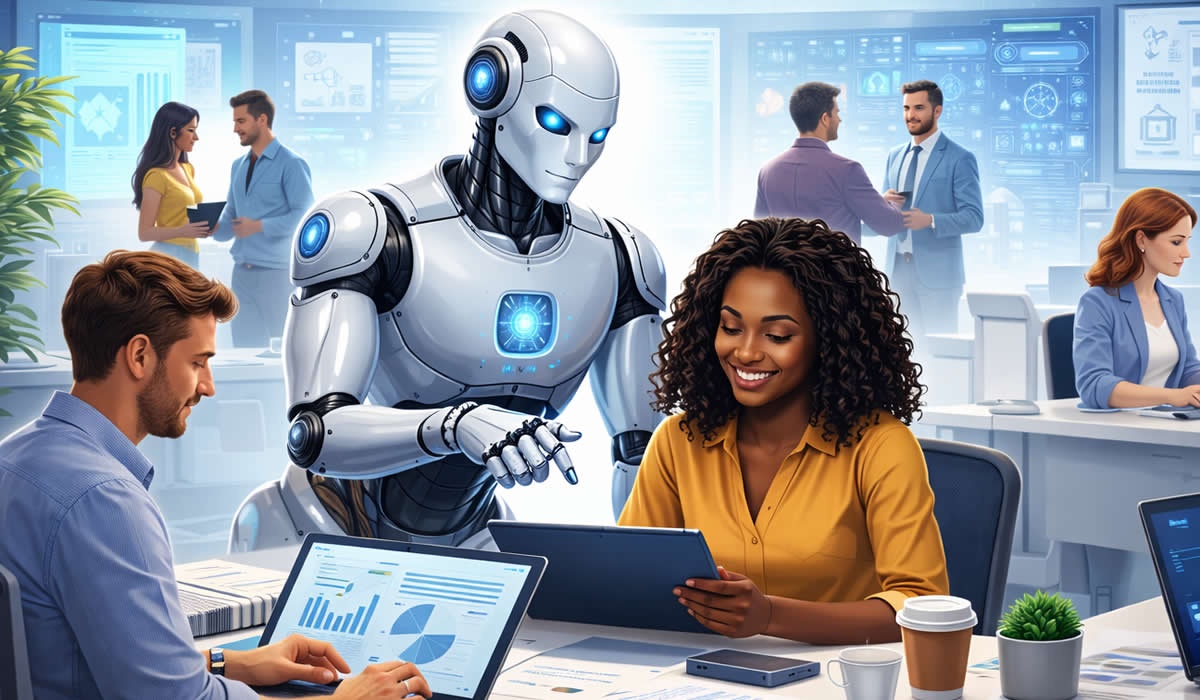
Artificial Intelligence is reshaping the global workforce at a speed rarely seen with previous technologies. Automation, machine learning, and intelligent systems are changing how work is performed, how skills are valued, and how careers are built. In 2026, these changes are felt most strongly by younger workers who are entering or early in their professional lives. While AI offers new opportunities, it also raises deep concerns about job security, career progression, and the future relevance of human skills.
Employers, aware of both the potential and the anxiety surrounding AI, are responding with new strategies aimed at reskilling, reassurance, and organizational redesign. The relationship between AI and the workforce is no longer theoretical, it is a defining issue of modern employment.
Why Younger Workers Are Particularly Concerned
Younger workers often find themselves at the intersection of rapid technological change and economic uncertainty. Many are entering the job market at a time when AI systems can already perform tasks that once defined entry level roles.
Positions involving data processing, basic content creation, customer support, and administrative work are increasingly augmented or automated by AI. For younger professionals, these roles have traditionally served as stepping stones for learning and career development. The fear is not only about job loss, but about losing pathways to gain experience.
In addition, younger workers tend to be more aware of AI capabilities through social media, news coverage, and direct exposure to AI tools. This constant visibility can amplify concerns, especially when headlines emphasize disruption rather than adaptation.
Key Fears Among Younger Workers
Job Displacement and Stability
One of the most common fears is that AI will eliminate jobs faster than new ones are created. Younger workers worry that roles they train for today may become obsolete within a few years, making long term career planning difficult.
This fear is especially strong in sectors where automation is highly visible, such as technology, finance, media, and customer service.
Skill Obsolescence
Beyond job loss, there is anxiety about skills becoming outdated. Younger workers often ask whether investing time and money in education will pay off if AI systems can outperform humans in certain tasks.
The pace of change creates pressure to constantly upskill, which can feel overwhelming, particularly for those early in their careers.
Reduced Human Value
Some younger workers fear that AI will devalue human creativity, judgment, and effort. If machines can generate content, analyze data, and make recommendations instantly, individuals may worry about how their contributions are measured and appreciated.
This concern extends to performance evaluation, where AI driven metrics may feel impersonal or overly rigid.
Inequality and Access
Another concern is that AI could widen existing inequalities. Those with access to advanced education, training, and AI tools may benefit disproportionately, while others struggle to keep up.
Younger workers from underserved backgrounds may fear being left behind if employers prioritize AI skills without providing support.
How Employers Are Responding
Recognizing these fears, many employers are adjusting their workforce strategies. The response is not uniform across industries, but several common approaches are emerging in 2026.
Emphasizing Reskilling and Upskilling
One of the most visible responses is increased investment in training. Employers are offering learning programs focused on digital literacy, AI collaboration, and adaptable skills.
Rather than expecting employees to compete with AI, organizations encourage them to work alongside it. Training often emphasizes skills that complement AI, such as critical thinking, problem solving, communication, and ethical judgment.
Some companies partner with educational institutions or online platforms to provide continuous learning opportunities, signaling a long term commitment to workforce development.
Redesigning Entry Level Roles
To address the erosion of traditional entry level positions, employers are redesigning early career roles. These positions focus less on repetitive tasks and more on oversight, coordination, and creative contribution.
Younger workers may manage AI driven workflows, interpret outputs, and provide human context that machines lack. This approach preserves learning opportunities while aligning roles with technological realities.
Transparent Communication About AI Use
Employers are increasingly aware that uncertainty fuels fear. Transparent communication about how AI is used, why it is adopted, and what it means for employees is becoming a best practice.
By involving younger workers in discussions about AI strategy, organizations reduce speculation and build trust. Clear explanations help employees understand that AI adoption is often about efficiency and competitiveness, not indiscriminate job cuts.
Supporting Career Mobility
Many employers now focus on internal mobility rather than rigid career ladders. As roles evolve, younger workers are encouraged to move across functions, gaining diverse experience.
This flexibility helps employees adapt to change and reduces the fear of being locked into a declining role. AI systems themselves often support this process by identifying skill gaps and recommending development paths.
The Role of AI in Creating New Opportunities
While fears are real, AI is also generating new roles and career paths. Demand is growing for professionals who can design, manage, audit, and govern AI systems.
Roles such as AI trainers, data quality specialists, ethics coordinators, and workflow supervisors are becoming more common. Younger workers who develop a strong understanding of both technology and human context are well positioned to thrive.
AI also lowers barriers to entrepreneurship and creativity. Individuals can use AI tools to launch businesses, create content, and solve problems with fewer resources than before.
Shifting Employer Mindsets
Employers are learning that successful AI adoption depends as much on people as on technology. Organizations that ignore workforce concerns risk lower morale, higher turnover, and reputational damage.
As a result, many leaders frame AI as a tool for augmentation rather than replacement. This narrative emphasizes partnership between humans and machines, reinforcing the idea that human insight remains essential.
Progressive employers also involve employees in AI governance, inviting feedback on ethical use, fairness, and impact. This inclusion helps younger workers feel empowered rather than sidelined.
Challenges That Remain
Despite these efforts, challenges persist. Not all employers have the resources or commitment to invest in training. In some sectors, cost pressures lead to automation without adequate support for displaced workers.
There is also a risk of overpromising. If employers claim that AI will only enhance jobs but fail to deliver meaningful development opportunities, trust can erode quickly.
Younger workers may remain skeptical, especially if they see peers struggling to adapt or secure stable employment.
The Future of Work for Younger Generations
Looking ahead, the relationship between AI and the workforce will continue to evolve. For younger workers, adaptability is becoming a core career skill. Lifelong learning, flexibility, and resilience are increasingly important.
Employers who succeed will be those that invest in people alongside technology. By aligning AI strategy with human development, organizations can create workplaces where younger workers feel supported rather than threatened.
Education systems, policymakers, and employers all have roles to play in ensuring that AI driven change leads to shared prosperity rather than division.
In 2026, AI is both a source of fear and a catalyst for change in the workforce. Younger workers worry about job security, skill relevance, and their place in an increasingly automated world. These concerns are understandable given the speed and visibility of AI advancement.
Employers are responding with reskilling initiatives, redesigned roles, transparent communication, and a renewed focus on human strengths. While challenges remain, there is growing recognition that the future of work depends on collaboration between humans and intelligent systems.
When approached thoughtfully, AI does not have to diminish opportunity. Instead, it can support a more dynamic, inclusive, and resilient workforce where younger generations are empowered to grow alongside technology rather than compete against it.
About The Author