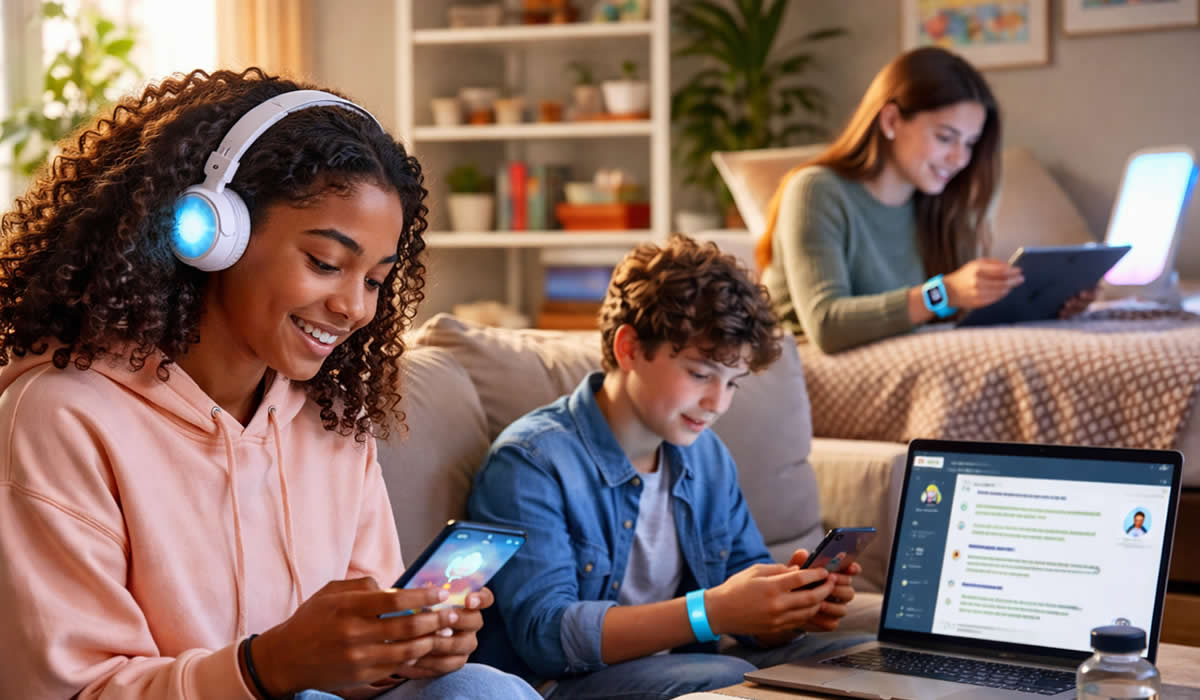
In recent years, mental health has become a central focus in healthcare and education, especially among teenagers. Adolescence is a time of rapid emotional, cognitive, and social development, which can make teens particularly vulnerable to stress, anxiety, depression, and other mental health challenges. Fortunately, technology is playing an increasingly important role in supporting teen mental wellbeing. From apps and wearable devices to AI-driven chatbots and teletherapy platforms, innovations in mental health technology are making resources more accessible, engaging, and effective.
These tools are not intended to replace professional care, but they provide early support, coping strategies, and real-time insights that can empower teens and their families. Understanding how mental health technology is evolving and how it can help, is essential for parents, educators, and teens themselves.
Why Teens Need Mental Health Support
According to recent studies, mental health issues among teens are on the rise. Academic pressures, social media influence, family dynamics, and global events can contribute to stress, anxiety, and depression. Many teens may struggle in silence due to stigma or lack of access to mental health professionals.
Digital tools help bridge this gap by providing confidential, on-demand support. Unlike traditional therapy, which may require scheduling, transportation, or insurance, mental health apps and online platforms can be accessed at home or school, giving teens a sense of autonomy in managing their wellbeing.
Mental Health Apps: Therapy in Your Pocket
One of the most visible innovations in teen mental health is the proliferation of apps designed to support emotional wellbeing. These apps cover a wide range of needs, from mindfulness and stress reduction to mood tracking and cognitive behavioral therapy (CBT).
Mindfulness and meditation apps, for example, provide guided breathing exercises, relaxation techniques, and short meditation sessions tailored to teen lifestyles. These tools help reduce stress, improve focus, and promote self-awareness, which is especially useful during periods of academic pressure or social anxiety.
Mood tracking apps allow teens to log emotions, triggers, and patterns over time. By visualizing trends in their feelings, teens can gain insights into what affects their mental health, such as sleep habits, screen time, or social interactions. Some apps even use AI to offer personalized suggestions for coping strategies or positive activities based on the teen’s mood history.
Cognitive behavioral therapy apps provide exercises and journaling prompts that help teens challenge negative thought patterns and develop healthier ways of thinking. While these tools cannot replace in-person therapy, they offer valuable skills that complement professional support.
AI-Powered Chatbots for Immediate Support
Artificial intelligence has opened new possibilities for providing immediate mental health support to teens. AI chatbots are programmed to converse with users, offering empathy, guidance, and coping strategies in real time.
For teens who may feel uncomfortable talking to a parent, teacher, or counselor, chatbots provide a non-judgmental space to express feelings. Many chatbots are trained to recognize signs of distress and guide teens through exercises such as grounding techniques, mindfulness prompts, or journaling.
Some AI systems can even escalate care when necessary. If a teen demonstrates severe symptoms of anxiety, depression, or self-harm risk, the chatbot can provide emergency contacts or connect the teen to a licensed professional. These tools act as a first line of support, ensuring that teens are not left struggling alone.
Teletherapy and Online Counseling
Teletherapy platforms have become a critical resource for teen mental health, especially in areas with limited access to in-person counseling. Video and text-based therapy sessions allow teens to connect with licensed mental health professionals from the comfort of home.
Online counseling platforms offer flexibility in scheduling, anonymity, and accessibility, making therapy more approachable for teens who may otherwise avoid it. Additionally, teletherapy can be integrated with apps or digital platforms, allowing therapists to monitor progress, provide exercises, and adjust treatment plans based on real-time data.
Research shows that teletherapy can be just as effective as in-person sessions for many mental health conditions, including anxiety and depression. For teens balancing school, extracurricular activities, and family obligations, this convenience is particularly valuable.
Wearable Devices for Emotional Monitoring
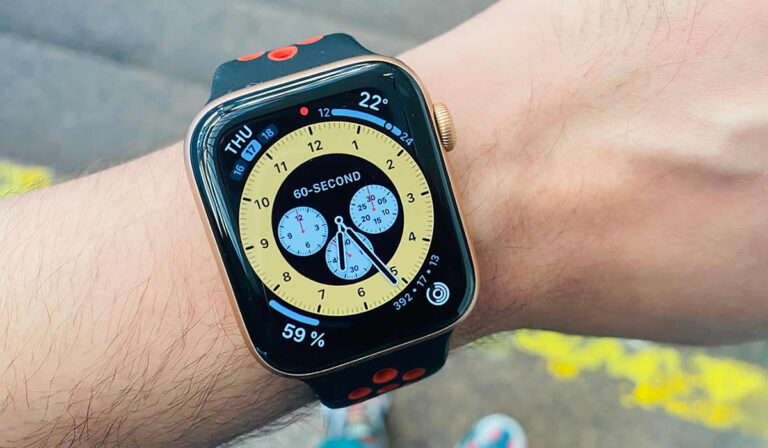
Wearable technology is also entering the mental health space. Devices that monitor heart rate, sleep quality, and activity levels can provide insights into emotional wellbeing. For example, elevated heart rates or disrupted sleep may signal stress or anxiety, prompting early intervention.
Some wearable devices integrate with mental health apps, sending notifications or reminders for mindfulness exercises, deep breathing sessions, or scheduled breaks. By combining physiological data with behavioral patterns, these devices help teens and caregivers understand mental health trends in a more objective, data-driven way.
Gamification: Making Mental Health Engaging
Gamification is another strategy that has proven effective for engaging teens in mental health practices. Apps that incorporate challenges, rewards, and progress tracking can make self-care more appealing. For example, completing a daily mindfulness session might earn points, badges, or unlock new features.
By turning mental health exercises into a game-like experience, these tools increase motivation and consistency. Teens are more likely to adopt healthy coping habits when they feel engaged and rewarded for their efforts.
Social Connectivity and Peer Support
Some mental health platforms leverage the power of peer support networks. Safe, moderated communities allow teens to share experiences, provide encouragement, and learn from peers facing similar challenges. Social support is a proven factor in emotional resilience, and digital platforms can connect teens who might otherwise feel isolated.
It is important that these communities are moderated and safe, preventing the spread of harmful advice or cyberbullying. When implemented properly, peer support networks complement professional care by offering empathy, understanding, and validation.
Privacy and Safety Considerations
While mental health technology offers tremendous benefits, privacy and safety are critical considerations. Teens are a vulnerable population, and protecting personal data is essential. Parents and guardians should ensure that apps and platforms comply with privacy regulations, encrypt sensitive data, and provide clear information on how data is used.
In addition, mental health tech should never replace professional evaluation or emergency care. Teens should be educated on when to seek help from qualified mental health providers, school counselors, or crisis services.
Integrating Technology With Daily Life
For mental health technology to be effective, it should be integrated into daily routines rather than treated as a one-time solution. Encouraging teens to check mood logs each morning, follow guided mindfulness sessions, or engage with supportive communities helps build consistency.
Parents and educators can play a supportive role by fostering open conversations about mental health, modeling healthy technology use, and guiding teens toward reliable resources. Digital tools work best when combined with personal attention, empathy, and professional support.
Trends and Innovations in 2026
This year, several trends are shaping mental health technology for teens:
- AI-driven personalization: Apps are becoming smarter at tailoring interventions to individual needs, analyzing patterns in behavior, sleep, and mood to suggest personalized coping strategies.
- Integration with wearable tech: Physiological data from smartwatches and fitness trackers is increasingly used to inform mental health interventions in real time.
- Multimodal therapy platforms: Platforms are combining therapy sessions, AI coaching, mindfulness exercises, and peer support in a single ecosystem for more holistic care.
- Virtual reality (VR) therapy: VR experiences are being used to help teens manage anxiety, practice social skills, or simulate calming environments.
- Predictive analytics: Emerging systems analyze trends in mood, behavior, and physiology to predict periods of high stress or emotional vulnerability, allowing early intervention.
These innovations highlight the potential for technology not only to support mental health but also to prevent crises and promote resilience in teens.
Encouraging Healthy Use of Mental Health Tech
While technology can be transformative, it is important to maintain balance. Excessive screen time or reliance on apps alone can have unintended consequences. Experts recommend:
- Combining digital tools with offline activities such as exercise, journaling, or creative hobbies.
- Encouraging breaks from screens and cultivating face-to-face social connections.
- Using technology as a supplement to, not a replacement for, professional guidance and supportive relationships.
By fostering a mindful approach to digital mental health tools, teens can benefit from the best of technology while avoiding potential pitfalls.
Mental health technology is revolutionizing the way teens access support, manage stress, and build resilience. From apps and AI chatbots to wearable devices and teletherapy, these innovations make mental health resources more accessible, engaging, and personalized than ever before.
For teens navigating the complexities of adolescence, technology can provide early intervention, coping strategies, and a sense of autonomy over their wellbeing. Parents, educators, and healthcare providers play a vital role in guiding teens toward safe, effective tools while maintaining balance with traditional care and real-world social support.
As technology continues to evolve in 2026 and beyond, mental health innovations for teens are expected to become even more integrated, predictive, and supportive. By embracing these tools thoughtfully, teens can develop skills, insights, and habits that promote lifelong mental wellbeing.
This is a critical moment in teen mental health, where innovation and empathy converge. With the right guidance, technology can help teens not just cope with challenges but thrive emotionally, socially, and academically.
About The Author